
ABOUT THE SPEAKER | SPEAKING ENGAGEMENTS
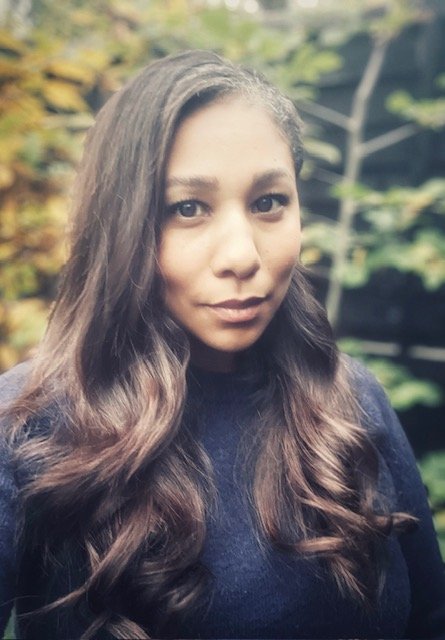
Mo Moshaty is an award-winning author, screenwriter, cultural critic, and international lecturer whose work examines the intersections of horror, psychology, identity, and the human condition. With more than two decades of experience in cognitive behavioural therapy and trauma-informed practice, she brings a distinctive interdisciplinary approach to the study of horror literature and cinema, exploring how storytelling shapes personal trauma, cultural anxieties, and our evolving understanding of ourselves.
Her lectures investigate the psychological and sociocultural dimensions of horror, from representations of women's trauma, hysteria, and bodily autonomy to childhood fears, racial identity, folklore, grief, and the politics of monstrosity. Combining critical analysis with professional experience in therapeutic practice and creative storytelling, Moshaty approaches horror as a valuable means of examining the human experience.
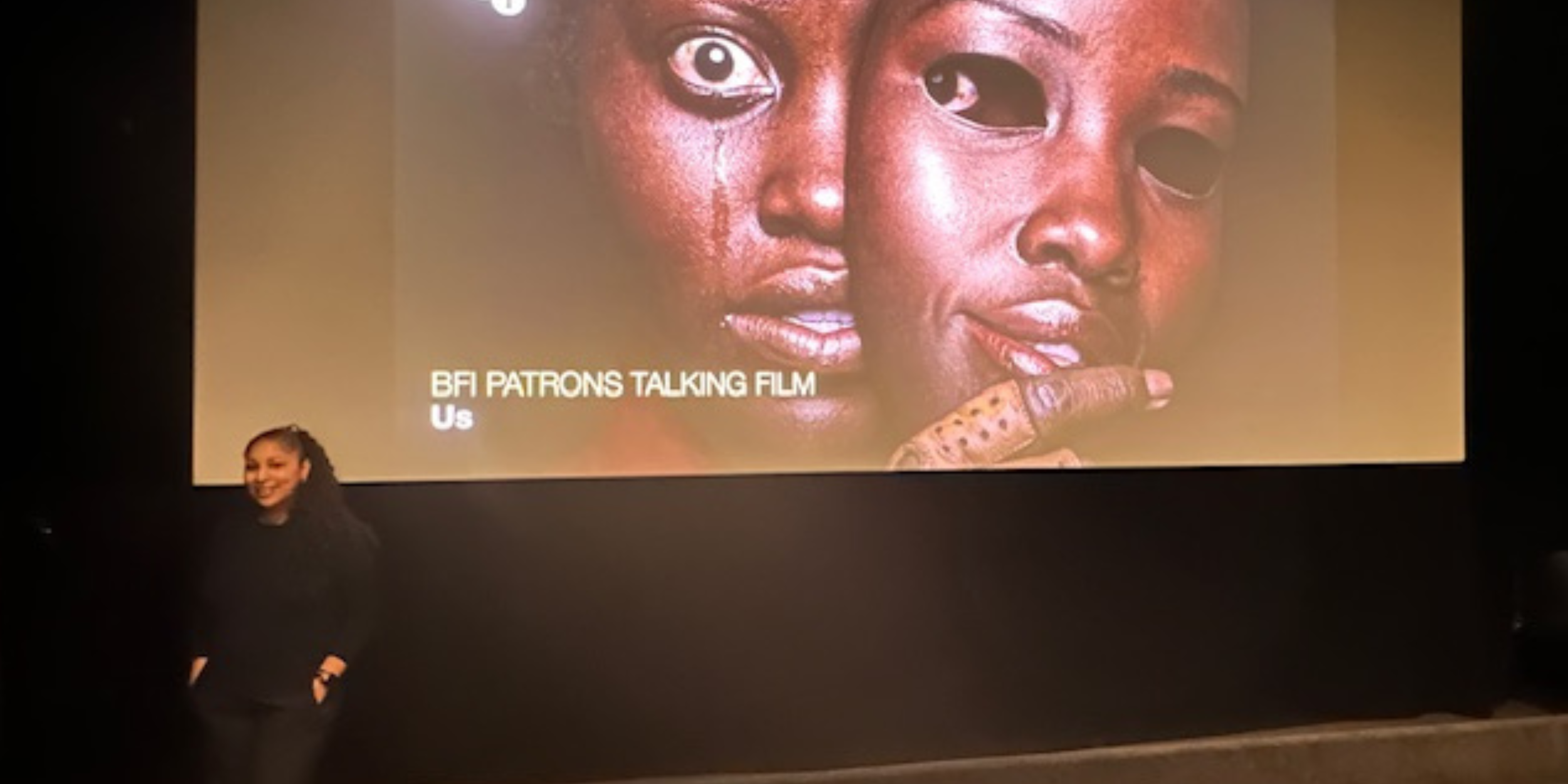
Her speaking engagements have included presentations and discussions at the British Film Institute, Cunk on Cinema, the University of California, the University of Sheffield, Prairie View A&M University, the Miskatonic Institute of Horror Studies, Romancing the Gothic, Horror BAFSS Sig, The Horror of Becoming, Final Girls Berlin, Cine-Excess, Granite Noir, StokerCon, and the Ann Radcliffe Academic Conference, among other universities, literary festivals, and cultural institutions.
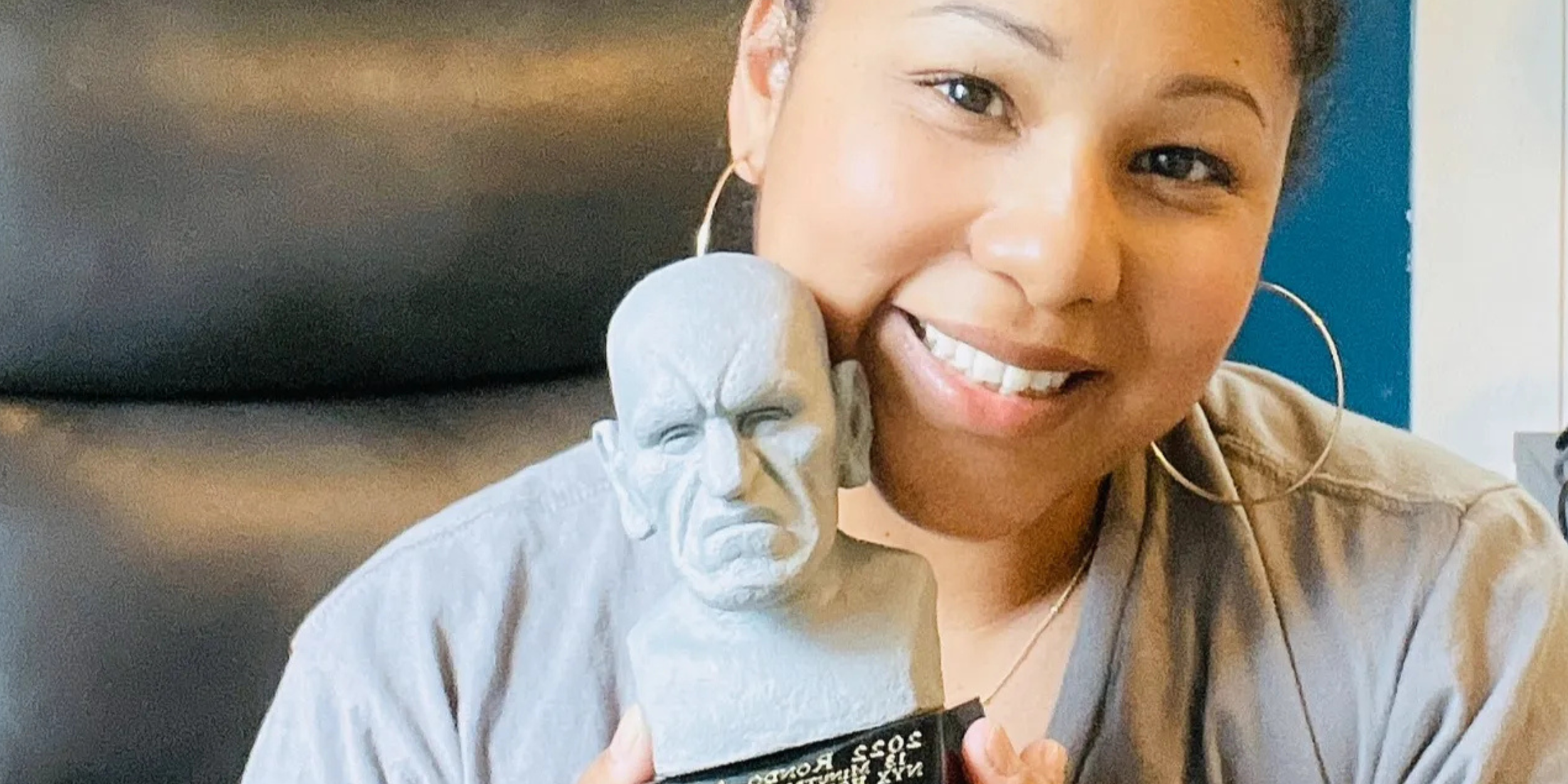
Alongside her academic and critical work, Moshaty is the founder and Editor-in-Chief of NightTide Magazine, a publication dedicated to amplifying marginalized voices in horror, and co-founder of the Nyx Horror Collective. Her literary work has received the Wonderland Book Award, two Shirley Jackson Award nominations, and Bram Stoker Award recognition.
Moshaty is available for guest lectures, keynote presentations, masterclasses, panel discussions, interviews, and interdisciplinary programming throughout the United Kingdom and internationally.
LECTURES AND CRITICAL CONVERSATIONS
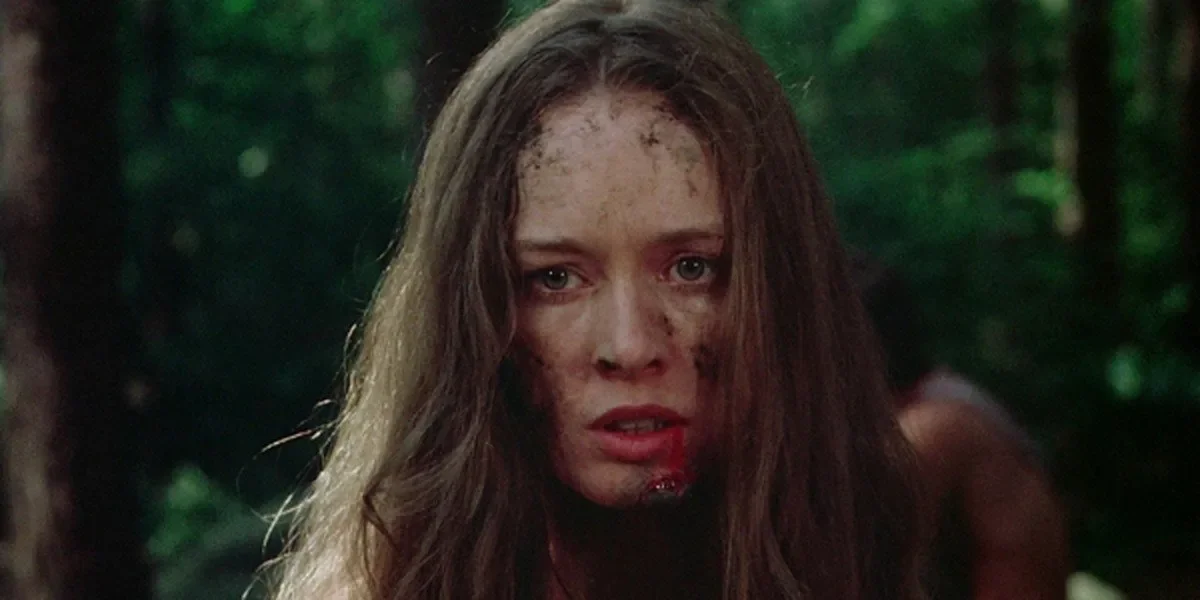
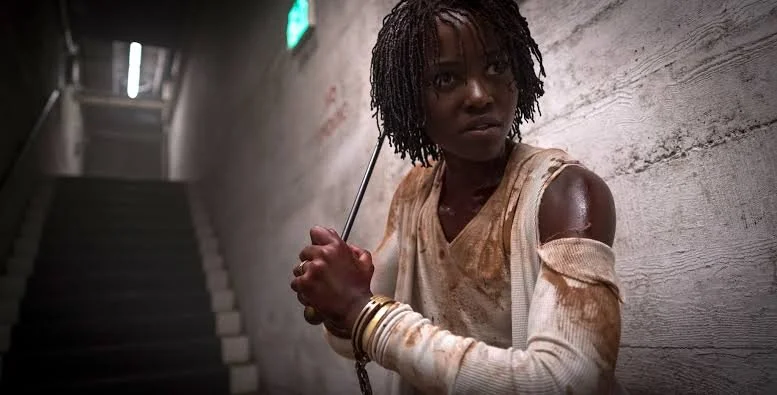
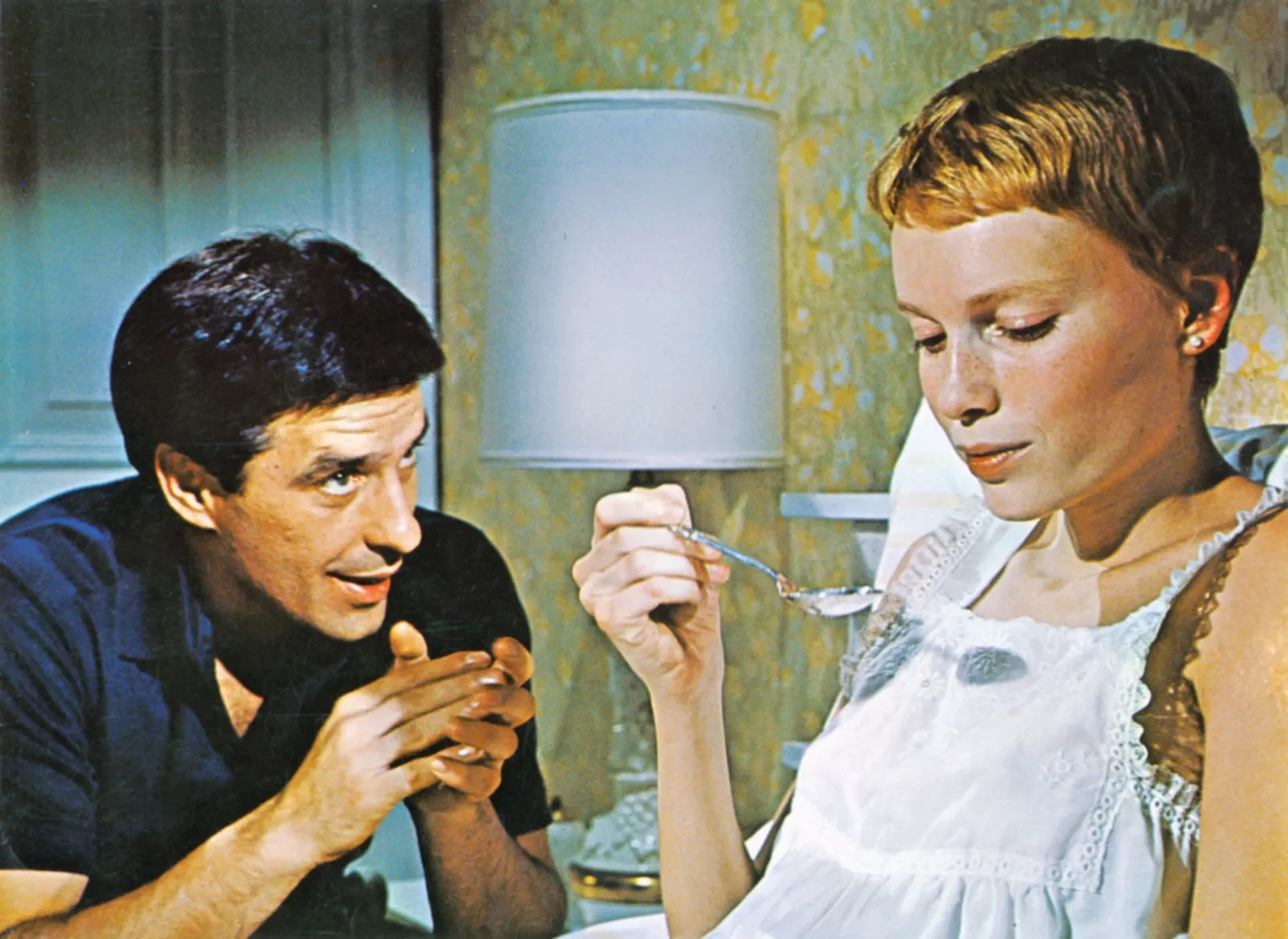
WOMEN’S TRAUMA IN HORROR CINEMA
What happens when women's pain becomes the language of horror?
From hysteria and possession to vengeance and bodily autonomy, horror cinema has long reflected society's complicated relationship with women's experiences. This lecture examines how the genre portrays psychological trauma, the historical treatment of women's distress, and the ways female characters reclaim or lose agency through narratives of fear, violence, and survival.
Presented at the BFI, Cine-Excess, Final Girls Berlin, the Miskatonic Institute of Horror Studies, and the University of Sheffield.
LOCKING THE DOOR FROM THE INSIDE: MARRIAGE AND HORROR
For better or worse, what happens when marriage becomes a source of terror?
Marriage promises intimacy, security, and partnership, but horror frequently reveals the anxieties concealed within those expectations. Exploring domestic entrapment, coercive control, gender roles, and the loss of individual identity, this lecture examines how horror interrogates the institution of marriage and the psychological complexities of romantic commitment.
Previously presented at the Ann Radcliffe Academic Conference.
THE HORROR BODY
What makes the human body one of horror's most unsettling battlegrounds?
Our bodies are central to how we understand identity, autonomy, and mortality. Through body horror, transformation, illness, aging, and physical vulnerability, this lecture examines the fears associated with inhabiting a changing body and how horror challenges cultural expectations surrounding beauty, health, gender, and the boundaries of the human experience.
Themes explored through The Horror of Becoming symposium and presentations at Cine-Excess.
WHO GETS TO BE MONSTROUS?
Who defines monstrosity, and whose humanity is called into question?
Monsters are shaped as much by cultural attitudes as by imagination. This lecture examines how race, gender, identity, and social expectations influence representations of monstrosity, exploring the relationship between otherness, cultural anxiety, and the figures society chooses to fear. It also considers how marginalized creators have challenged and reimagined those conventions.
Related themes previously explored at Cine-Excess.
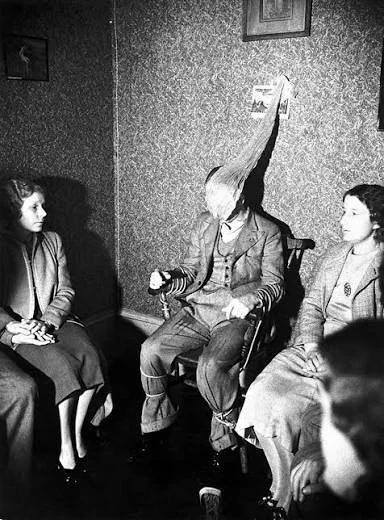
THE DEAD ARE NEVER REALLY GONE
Why do we keep searching for ways to speak to those we've lost?
Death is inevitable, yet our fascination with what follows has inspired centuries of storytelling, ritual, and belief. Exploring grief, spiritualism, hauntings, mediumship, and the possibility of an afterlife, this lecture examines how horror reflects humanity's desire to maintain connections with the dead and make sense of what remains beyond our understanding.
New lecture developed from research for Annex of the Obscure, Volume I: The Afterlife.
AFTER HORROR: WHAT REMAINS
When the terror ends, what happens to those left behind?
Horror narratives often conclude when the immediate threat disappears, leaving the psychological consequences largely unexplored. This lecture considers the aftermath of traumatic experiences, examining survival, grief, memory, and the complicated process of returning to ordinary life. Drawing on psychological perspectives and cinematic storytelling, it asks what happens to horror's survivors after the final scene.
An expanded lecture developed from an essay originally published in NightTide Magazine.
LOCKING THE DOOR FROM THE INSIDE: MARRIAGE AND HORROR
For better or worse, what happens when marriage becomes a source of terror?
Marriage promises intimacy, security, and partnership, but horror frequently reveals the anxieties concealed within those expectations. Exploring domestic entrapment, coercive control, gender roles, and the loss of individual identity, this lecture examines how horror interrogates the institution of marriage and the psychological complexities of romantic commitment.
Previously presented at the Ann Radcliffe Academic Conference.
FILM & CULTURAL ANALYSIS
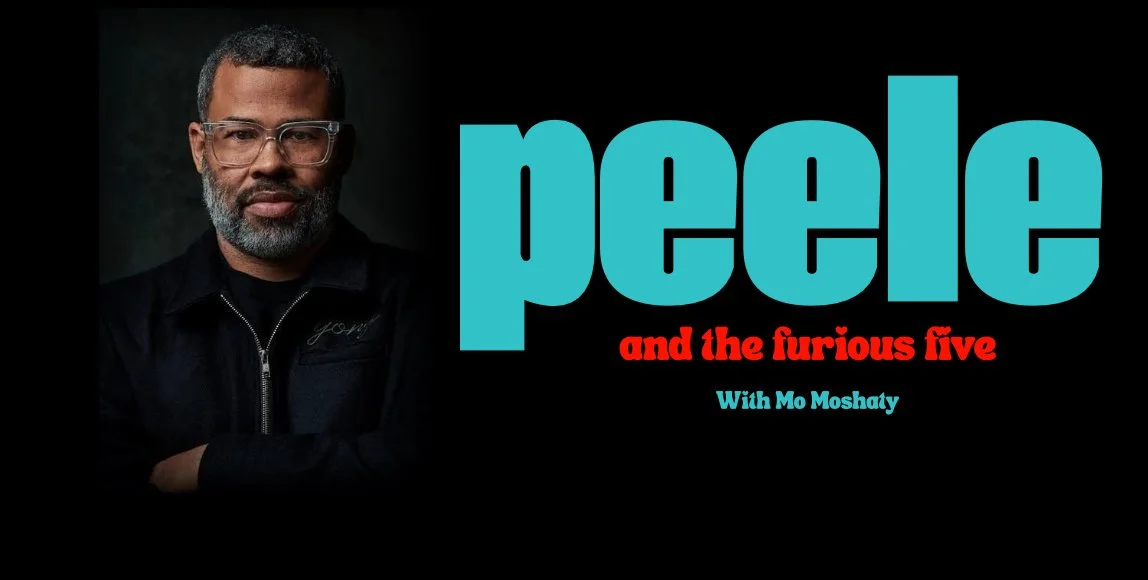
PEELE AND THE FURIOUS FIVE
What happens when Black horror turns the camera back on society?
This interactive workshop examines the cinematic language of Jordan Peele and the wider traditions of Black horror storytelling. Through guided analysis and discussion, participants explore racial anxieties, cultural memory, symbolism, and the ways horror conventions can be reimagined to challenge established narratives. The session invites audiences to consider how filmmakers use genre to confront social realities and reshape whose stories are told.
FORMAT: Guided film analysis & discussion
WORKSHOPS AND MASTERCLASSES
CHILDHOOD AND PSYCHOLOGY
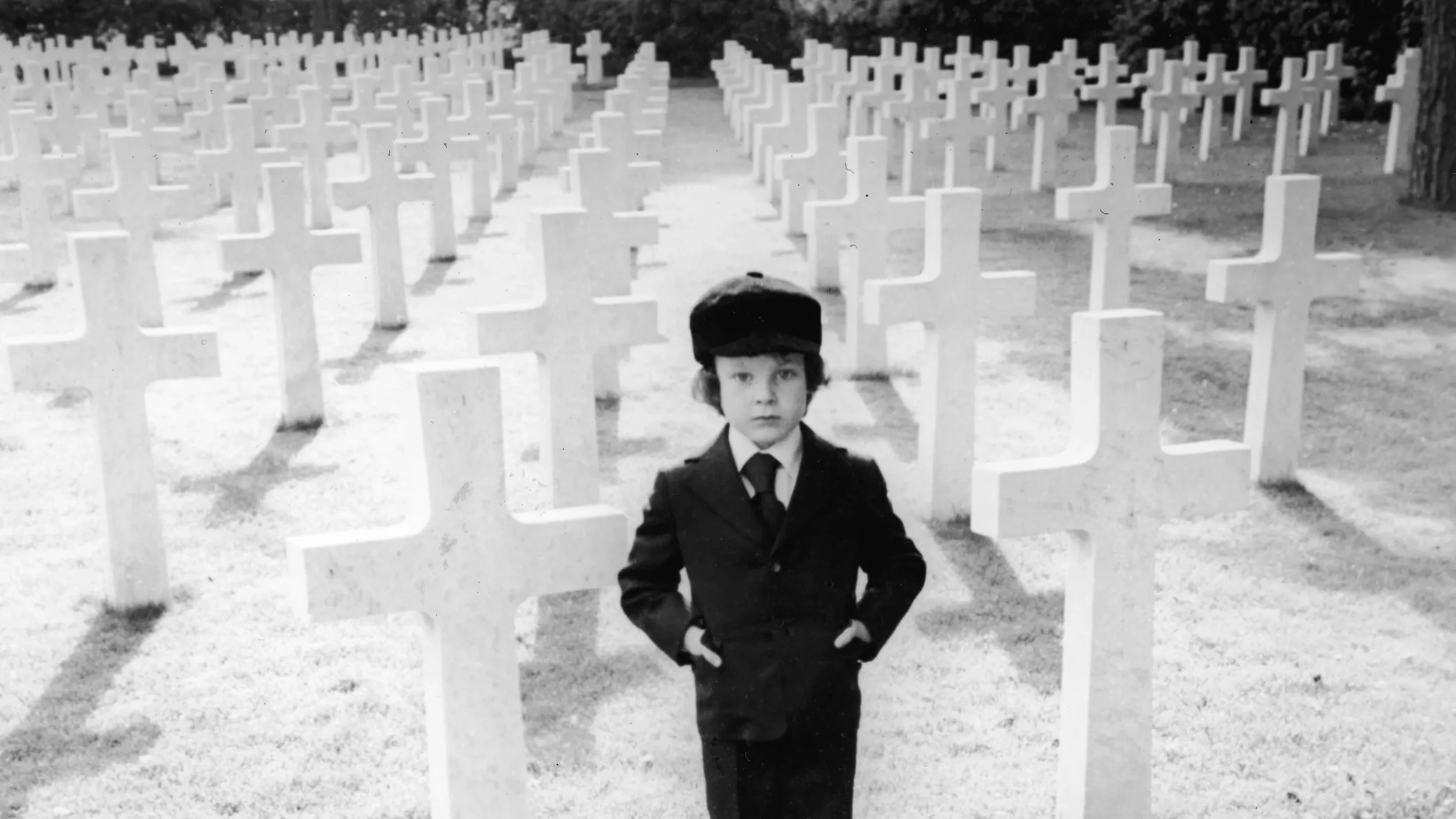
REAPING THE BAD SEED
What makes a child frightening when childhood is supposed to represent innocence?
From unsettling behaviour to outright malevolence, the frightening child has become one of horror's most persistent figures. This workshop examines the relationship between childhood, parental anxiety, family dynamics, and the social expectations placed upon children. Through selected examples and guided discussion, participants consider how horror exploits the tension between innocence and danger, and what these stories reveal about adult fears.
FORMAT: Film analysis & facilitated discussion
CREATIVE WRITING
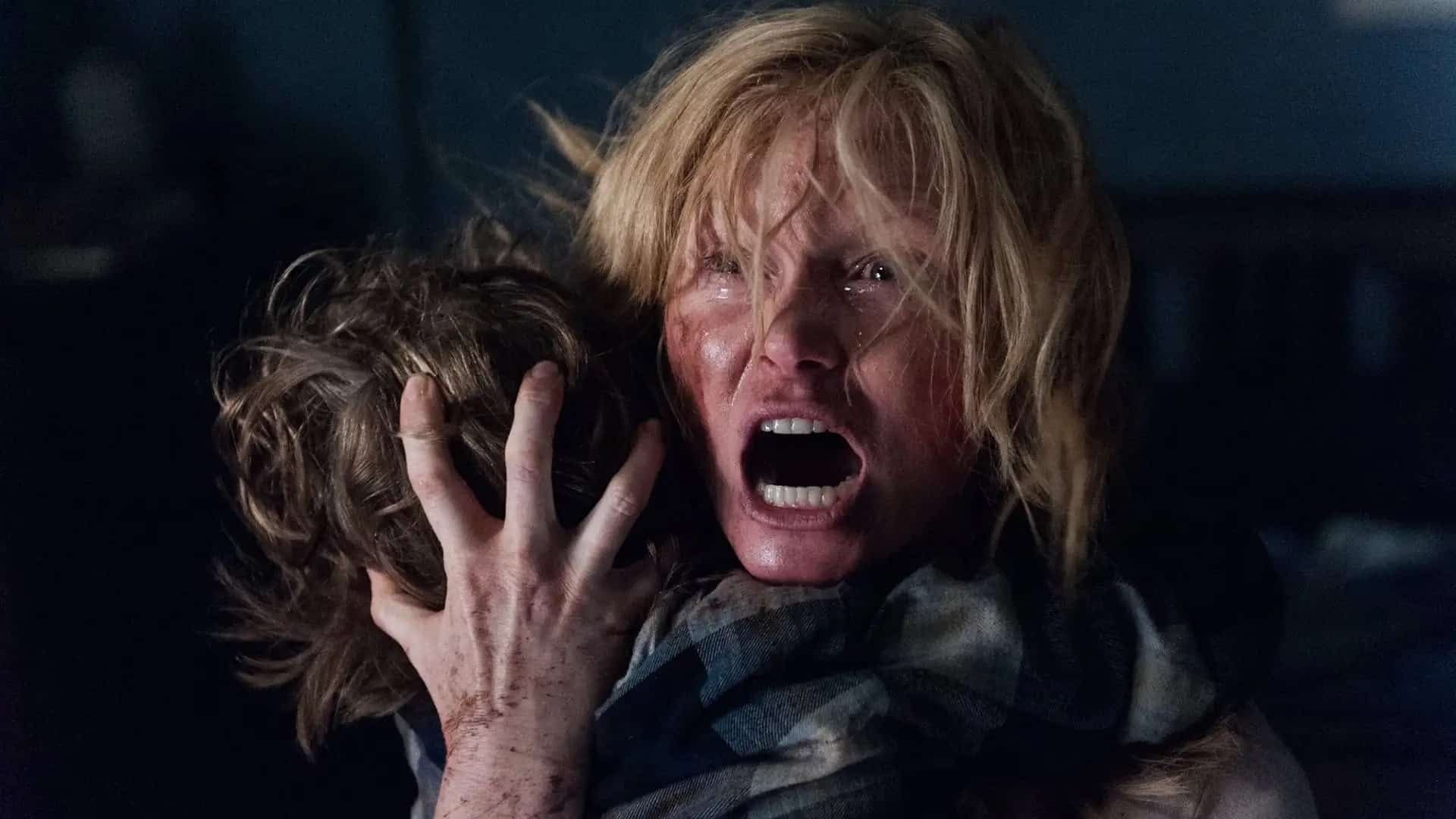
WRITING TRAUMA: PSYCHOLOGICAL TRUTH IN HORROR FICTION
How do we write characters whose experiences continue beyond the frightening event?
Designed for writers seeking greater psychological depth in their work, this masterclass explores the relationship between traumatic experience, character behaviour, memory, and narrative development. Drawing on fiction craft and trauma-informed perspectives, participants examine how fear influences decision-making, relationships, and coping mechanisms. Guided exercises encourage thoughtful approaches to writing difficult experiences while maintaining character complexity and creative freedom.
FORMAT: Craft discussion & guided writing exercises
PANELS AND CONVERSATIONS
Horror has always been a conversation about who we are, what we fear, and whose stories we choose to tell.
Drawing on her experience as an author, editor, cultural critic, and trauma-informed practitioner, Mo Moshaty brings a multidisciplinary perspective to panel discussions, literary conversations, festival programming, and moderated events.
Available as a panelist, moderator, interviewer, and guest speaker, she welcomes conversations that challenge familiar narratives and explore the cultural significance of horror.
REPRESENTATION & CULTURE
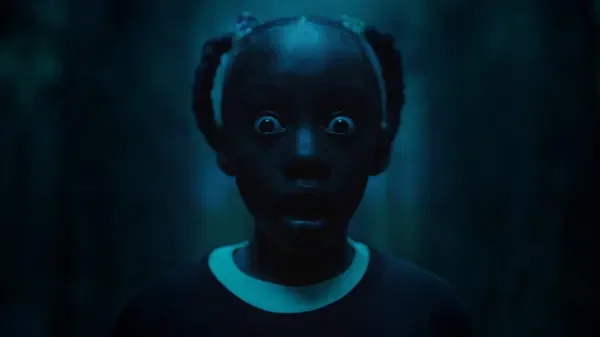
Who Gets to Tell the Horror Story?
Whose voices shape the horror canon? A conversation about representation, cultural ownership, publishing gatekeeping, and the responsibility of critics and creators.
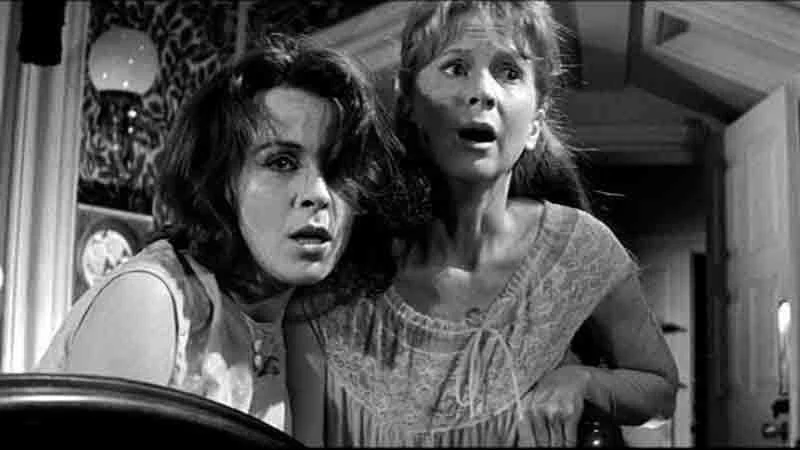
GENDER & AUTONOMY
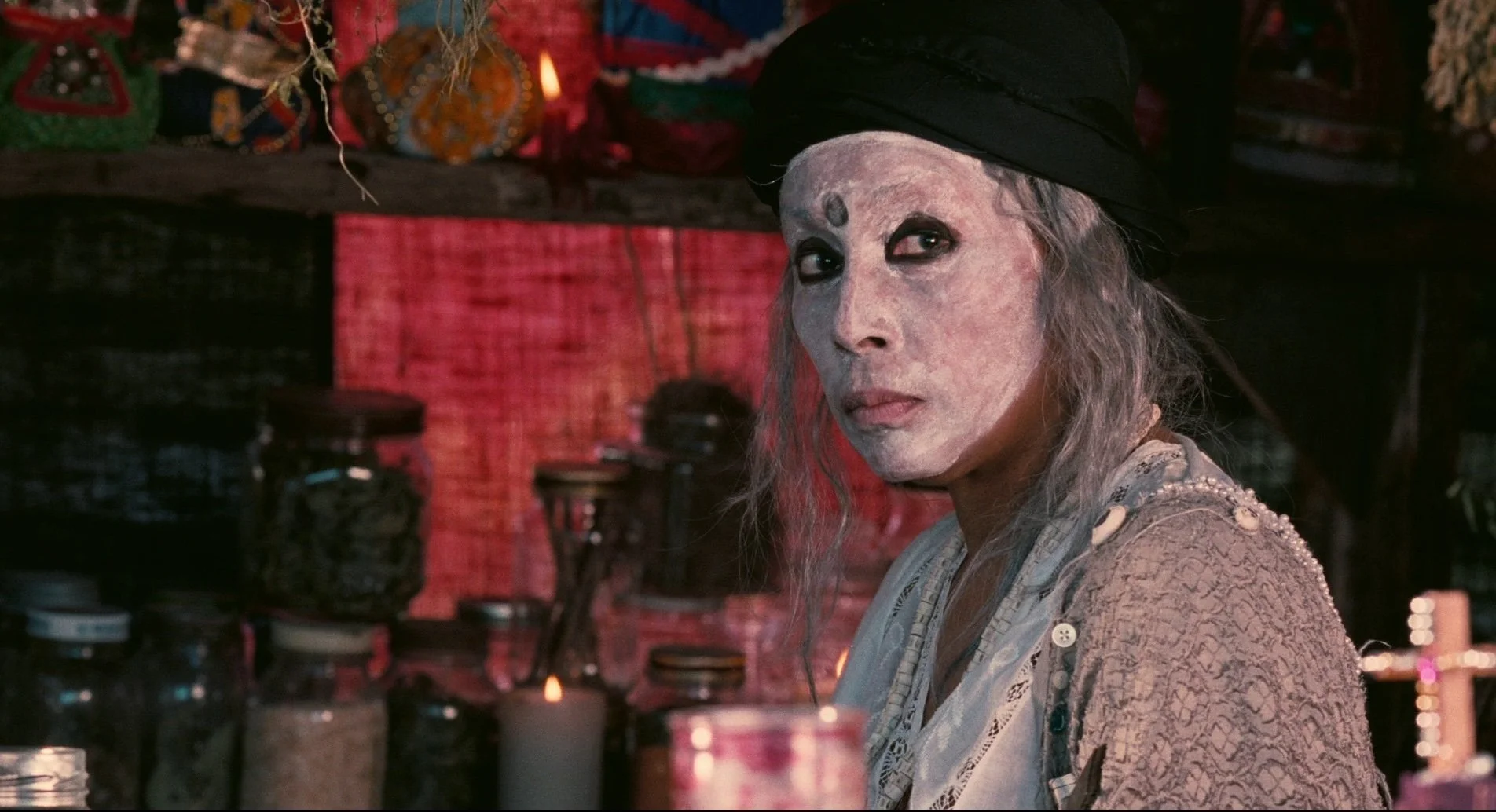
Women, Witchcraft & the Politics of Fear
From persecution to empowerment, exploring how the witch reflects changing attitudes toward women's independence, solitude, community, and social expectations.
DEATH & BELIEF
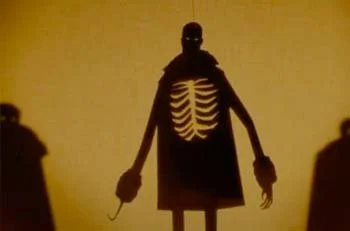
Grief, Death & the Afterlife
Why do stories of haunting, spiritualism, and the supernatural continue to resonate? Exploring our relationship with mortality, mourning, and the unknown.
LITERATURE & PUBLISHING
The Changing Face of Horror Publishing
Independent presses, editorial responsibility, marginalized voices, and the evolving relationship between horror writers, publishers, and readers.
PSYCHOLOGY & SOCIETY
Horror Beyond the Screen
How horror reflects real-world anxieties about identity, relationships, mental health, and social behaviour, and why those conversations matter beyond the genre.
Bring Mo to Your Audience
Lectures, Panels & Workshops can be adapted for university programmes, literary festivals, writing groups, and cultural events. Session length, format, and level of participation can be tailored to the audience.